Signs That It's Time for Memory Care for Your Aging Parent
It isn't always easy to tell when a loved one needs more support. Learn the common signs that it may be time to consider memory care, from changes in mood and daily routines to safety concerns, plus how to recognize caregiver burnout in yourself.
Approximately 10% of Americans aged 65 and older are living with some form of dementia. To put this into perspective, an estimated 6.9 million seniors in this age group are affected by Alzheimer's alone. Alzheimer's Disease and other dementias have become increasingly prevalent in our society, yet many people may not recognize the signs in themselves or their loved ones. Understanding these indicators is essential when considering a care plan for a loved one. To help guide you in making this important decision, we’ve compiled a list of signs that it may be time to consider memory care.
Signs to Consider
When spending time with an aging loved one, there are several signs to watch for. While each person is different and there is no exhaustive list, certain common indicators can suggest that it may be time to explore memory care options.
Difficulty Maintaining Daily Tasks
As individuals begin to struggle with tasks that were once routine, it can be a sign of cognitive decline. However, these difficulties might also be attributed to the natural physical decline associated with aging. If you notice your loved one frequently forgetting daily tasks, such as taking medication or completing household chores, or becoming easily confused with activities they once handled with ease, it’s important to consider potential underlying causes. In a memory care setting, trained professionals are there to support residents with reminders and assistance, helping them maintain a sense of independence while ensuring their needs are met.
Changes in Mood and Behavior
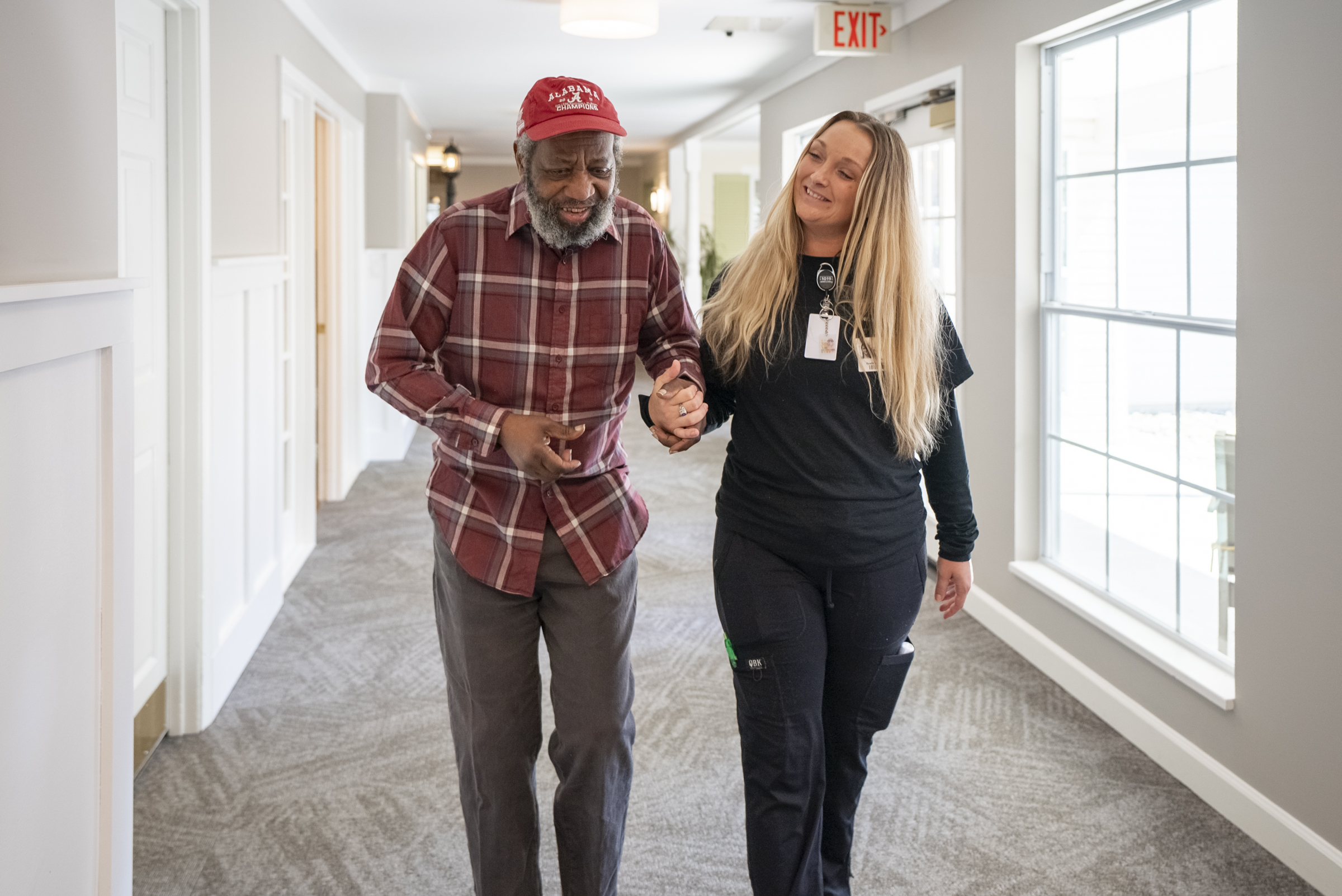
Notable changes in an aging adult's behavior, such as increasing isolation, mood swings, or signs of aggression, can be concerning. Isolation may manifest as a withdrawal from social activities, while mood changes or aggressive behavior can also arise. While physical discomfort that comes with aging may be part of the issue, cognitive decline could also be a contributing factor. By recognizing these shifts, you can take a proactive approach to finding the right care community. Memory care addresses isolation through a variety of social activities, such as group outings and community events, fostering a supportive environment that promotes residents' physical, mental, and emotional well-being.
Cognitive Health Decline
Signs such as declining personal hygiene, wandering, and disorientation in aging adults can point to cognitive decline and pose serious health and safety concerns. Memory care communities are designed to address these challenges by offering a secure, compassionate environment that respects the dignity and well-being of their residents. These communities feature safety measures like monitored access points and carefully planned layouts, ensuring residents’ security while promoting their independence. By providing a structured and protected environment, memory care communities offer peace of mind to both residents and their families, fostering a space where residents feel safe, valued, and well-cared for.
Caretaker Burnout
Although it may feel unfamiliar to think of yourself as a caretaker, many children and loved ones are increasingly stepping into this role for the aging adults in their lives. Even if you don’t identify as a caregiver, the responsibilities and emotional weight are the same. Caring for an aging loved one can take a toll on your physical, emotional, and mental well-being, potentially leading to caretaker burnout. This burnout can present with symptoms like:
Feelings of helplessness
Withdrawing from friends and family
Changes in appetite
Frustration or anger toward others
Fatigue
Recognizing these signs and acknowledging your own limits is essential. Turning to a senior living community for support ensures that both you and your loved one receive the proper care. By seeking help, you're safeguarding your well-being while ensuring your loved one benefits from professional, dedicated care.
Taking the Next Steps
If your loved one is exhibiting these signs, it may be time to explore options and gather information about memory care communities that can meet their needs. In Bedford, Wabash, and Crawfordsville, Indiana, 1019 Senior Living is ready to care for your loved one by providing excellent care with an expert understanding of the needs residents with cognitive decline may have. 1019 Senior Living offers assisted living, independent living, and memory care designed to make every resident feel at home. Our professional team is skilled in addressing the signs of cognitive decline while fostering a comfortable and independent environment for our residents. This approach ensures that your loved one receives the necessary care while feeling comfortable and at home, offering you peace of mind. With the support of 1019 Senior Living, you can step away from the role of caregiver and focus on simply being present with your loved one.
We’re here to guide you through the initial stages of your search. We are committed to providing valuable insights and resources to help you make informed decisions. Contact 1019 Senior Living to learn how our team can deliver the specialized care your loved one deserves.