Five Questions to Ask When Comparing Senior Living Communities
Choosing a senior living community is a big decision, and the right questions make it easier. Learn five questions to ask as you compare communities, from care and daily life to cost and fit, plus the green and red flags to listen for in the answers.
Choosing a senior living community for someone you love is one of the most important and emotional decisions many families will make. You want to find a place where your loved one will be supported and genuinely happy, but it can be difficult to know what questions to ask or how to tell if a community is the right fit.
Asking the right questions is a great place to start. Just as important is knowing what to listen for during those conversations. The way a community talks about care, relationships, and everyday life can tell you a lot about what it would actually be like for your loved one to live there.
At 1019 Senior Living, we believe residents are our North Star. Every decision begins with getting to know the individual because making moments matter starts with understanding what matters most to each person.
As you compare senior living communities, these five questions can help you have more meaningful conversations and feel more confident about your decision.
What Level of Care Does My Loved One Need?
One of the first questions to ask is whether the community offers the level of care your loved one needs today and how that support may change over time.
It's natural to focus on what is happening right now, but it's also important to think a little further ahead. If additional support becomes necessary, will the community be able to adjust, or would another move be required? Asking this early can help avoid another major transition later.
As you talk with a community, pay attention to how they describe their approach to care. Do they take time to understand the individual before recommending services, levels of care, or support options? A strong community should be able to clearly explain how they assess each resident, how care plans are personalized, and how they communicate with families as needs change.
It can also be helpful to ask about the people providing that care. Questions like these can give you a better understanding of the team's experience:
How are care plans created and updated?
What training do team members receive?
How do you keep families informed if someone's needs change?
The answers can reveal a lot about how a community approaches care.
Green Flag: The team talks about getting to know the individual before recommending care.
Red Flag: The conversation focuses on predetermined care packages or levels of care without first considering the person receiving that care.
At 1019 Senior Living, care is never one-size-fits-all. Whether someone benefits from assisted living or memory care, the focus is on providing the right support while helping each resident maintain independence and a sense of purpose. Through a personalized approach to care, each resident receives support that reflects who they are as an individual, giving families confidence that their loved one is truly known and cared for.
What Does Daily Life Actually Look Like Here?
When choosing a senior living community, it is important to look beyond the activity calendar and understand what everyday life is really like for residents.
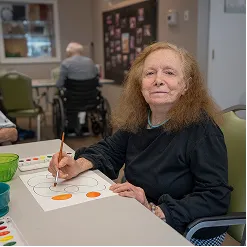
Activities are an important part of senior living, but a full calendar does not always tell the whole story. What matters most is whether residents have opportunities to spend their time doing things they enjoy and continuing the interests that have always been part of who they are.
As you compare communities, look for signs that team members take the time to get to know residents beyond their support needs. A strong community should be able to explain how they learn about each person's interests, preferences, and routines, and how that understanding influences daily experiences and opportunities for engagement.
You may want to ask:
How do you learn what residents enjoy?
How do you personalize daily experiences for residents?
What does a typical day look like?
How do team members build relationships with residents?
The answers can help you understand whether a community is focused on simply filling a calendar or creating an environment where residents feel seen and appreciated. Daily life should reflect the people who call the community home, with opportunities to continue doing what brings them joy.
In our communities, every resident brings a unique story, personal preferences, and life experiences that shape who they are. A personalized senior living experience recognizes those details and creates opportunities for residents to feel supported and cared for while continuing to make moments matter in ways that are meaningful to them.
How Does the Team Get to Know Each Resident?
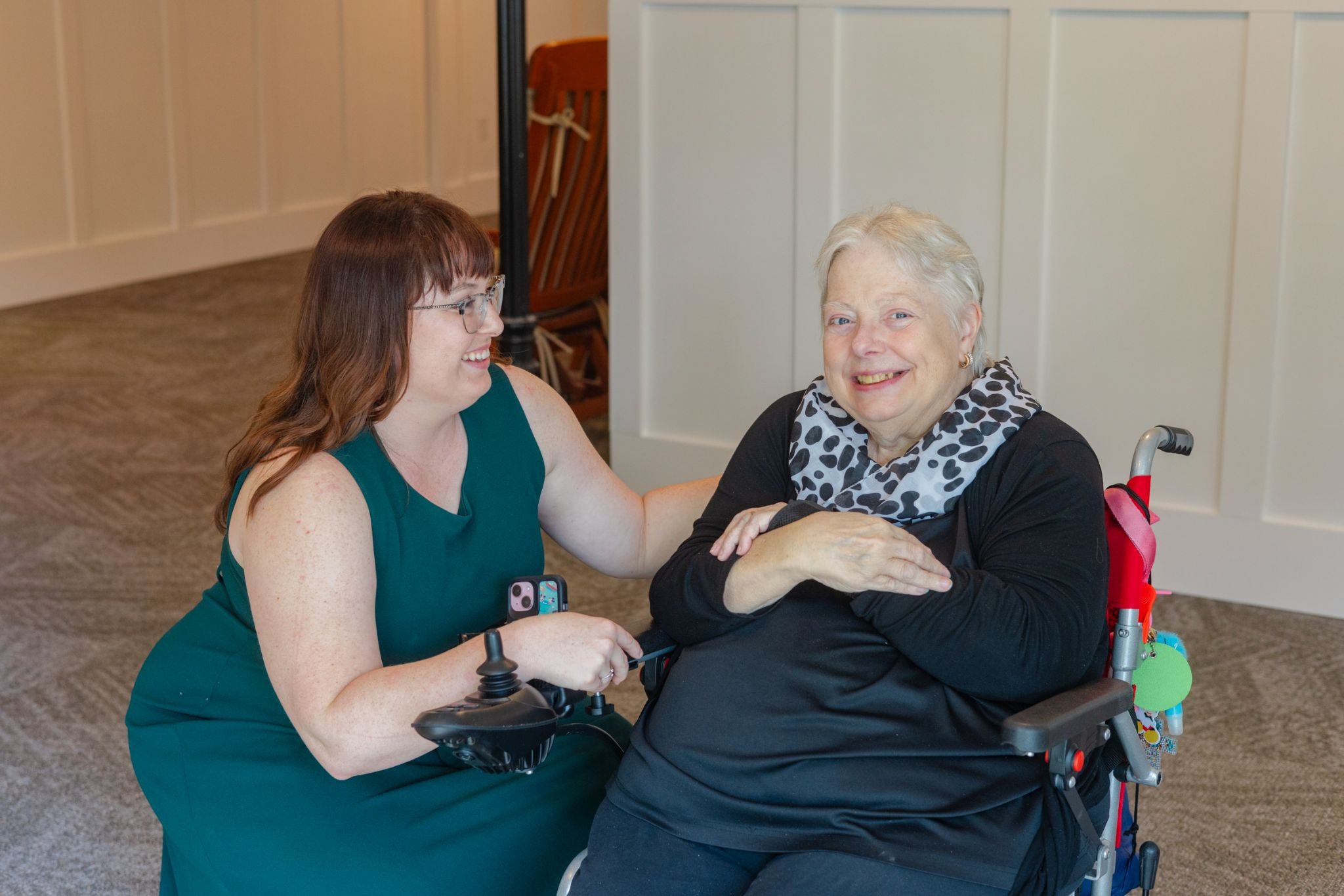
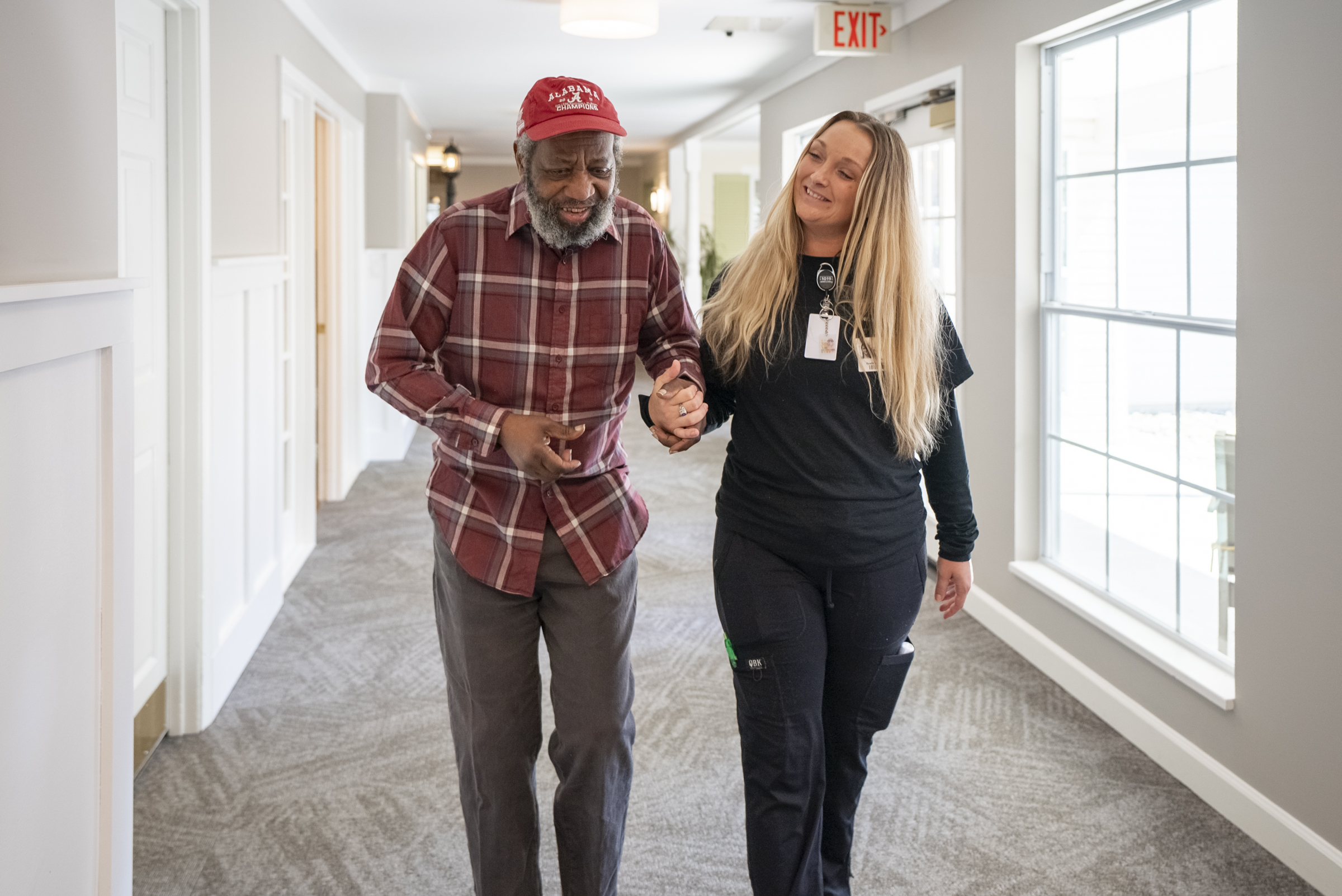
A senior living community is not just defined by the services it provides. The relationships between residents and team members often have the biggest impact on how someone feels each day.
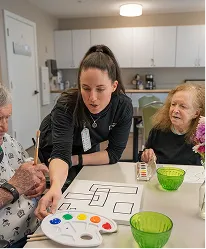
When touring a community, pay attention to what happens when no one thinks they're being evaluated. Watch how team members greet residents. Notice whether conversations feel genuine. Listen for familiar jokes, shared stories, or small details that show real relationships have developed over time.
Great relationships are built on knowing the little things. A favorite hobby, a lifelong tradition, or the way someone enjoys spending their afternoon can all help team members create a more personal experience.
Ask how a community learns about each resident when they first move in. A strong approach should include more than completing paperwork or creating a care plan. It should involve taking the time to learn someone’s story and using that understanding to shape their experience.
Consistent relationships matter, too. When residents see familiar faces and have team members who know them well, it can create a greater sense of comfort and trust. Families often find reassurance in knowing the people supporting their loved one understand who they are, not just what support they need.
In our communities, getting to know each resident is part of creating an experience built on respect, loyalty, and integrity. By understanding each person’s story, our team can provide support that feels personal and helps residents continue making moments that matter every day.
What Is Included in the Cost?
Cost is naturally one of the biggest considerations when comparing senior living communities. But understanding the value behind that cost is just as important. Families deserve to have a clear picture of what is included before making a decision.
When discussing pricing with a community, look beyond the monthly number. Ask how services are explained, what support is included, and how costs may change if your loved one’s needs change over time. Having those conversations early can help reduce stress later and provide more confidence moving forward.
Pay attention to how the community talks about cost. Are they open about what is included? Do they take the time to explain different services and answer your questions? Transparency during these conversations often reflects how a community approaches its relationships with families.
It is also helpful to consider the value behind the cost. The monthly cost reflects more than housing alone. It may also include support, care, meals, services, amenities, and daily opportunities for connection and engagement.
As you explore your options, consider asking:
What services and support are included in the monthly cost?
How are changes in care needs handled?
Are there additional fees families should know about?
How do you help families understand costs before making a decision?
The right answers should bring clarity. The way a community communicates about pricing can tell you just as much as the pricing itself.
Green Flag: They answer pricing questions clearly and directly, helping you understand exactly what is included.
Red Flag: They avoid specifics or make it difficult to understand future costs.
At 1019 Senior Living, open communication is an important part of building trust with families. By helping families understand care and costs from the start, we create a more transparent experience as they explore the right path for their loved one.
How Will This Feel for My Loved One?
Even after finding a community that checks the boxes, many families still come back to one important question: Will my loved one be happy here?
That question is about more than the move itself. It is about how someone will be welcomed, how they will adjust, and whether they will feel like they belong.
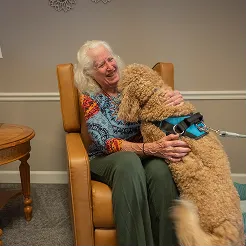
As you spend time in the community, try to picture your loved one there. Can you imagine them sharing a meal with neighbors? Joining a favorite activity? Feeling comfortable enough to call it home? Sometimes, imagining what everyday life could look like is the best way to know whether a community feels like the right fit.
It is also worth asking how the community supports new residents during the transition. Moving into senior living is a significant life change, and it may take time for someone to adjust to a new routine and environment. Communities that take time to introduce residents to neighbors, learn their preferences, and help them settle in can make that transition feel more comfortable.
Families should also feel like they remain part of the experience. Ask how the community keeps loved ones informed, encourages connection, and helps families stay involved after move-in. A strong partnership between residents, families, and team members can make the transition feel easier for everyone.
The answers should leave you with a sense of confidence, because you can see that the people there are committed to helping your loved one feel welcomed and understood.
In our communities, making moments matter starts with knowing each resident as an individual. When someone feels recognized for who they are, they can continue building relationships and creating new moments that bring comfort and joy. Families become part of that experience, too, because staying connected remains an important part of life in senior living.
Finding the Right Next Step
Choosing a senior living community is a decision that takes time and careful consideration. While there may not be a single perfect answer for every family, asking the right questions can bring clarity and make the process feel less overwhelming.
The right community should provide the support your loved one needs while also creating opportunities for connection, independence, and everyday experiences that reflect who they are. It should be a place where they feel known and comfortable being themselves.
If you are still wondering whether it may be the right time for senior living, our assessment can help you explore your options and receive personalized results. It is a simple way to better understand what support may be the right fit for your family.
A conversation with our team can also help answer questions specific to your loved one’s needs. Whether you are just beginning to explore options or are ready to discuss next steps, we are here to provide guidance and help you better understand what senior living can look like.
Every family’s situation is different, and you do not have to figure it all out at once. At 1019 Senior Living, residents are our North Star. By taking the time to understand each person, we create experiences where moments matter and residents can continue enjoying the relationships and activities that are important to them.
1019 Senior Living is a senior living provider serving communities across Indiana and Ohio, offering support across the senior care continuum, including assisted living and memory care. Guided by the belief that residents are our North Star and moments matter, 1019 Senior Living is committed to supporting residents and families with loyalty, respect, and integrity.